

-
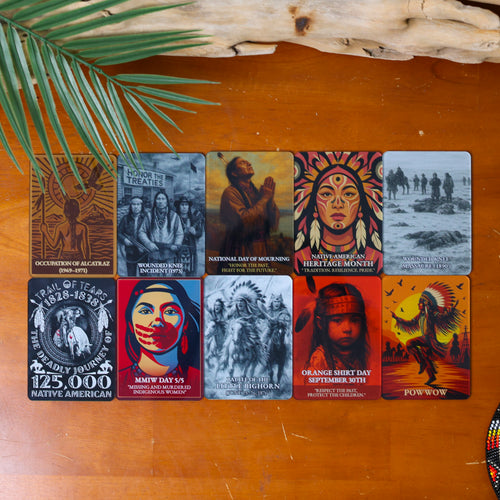
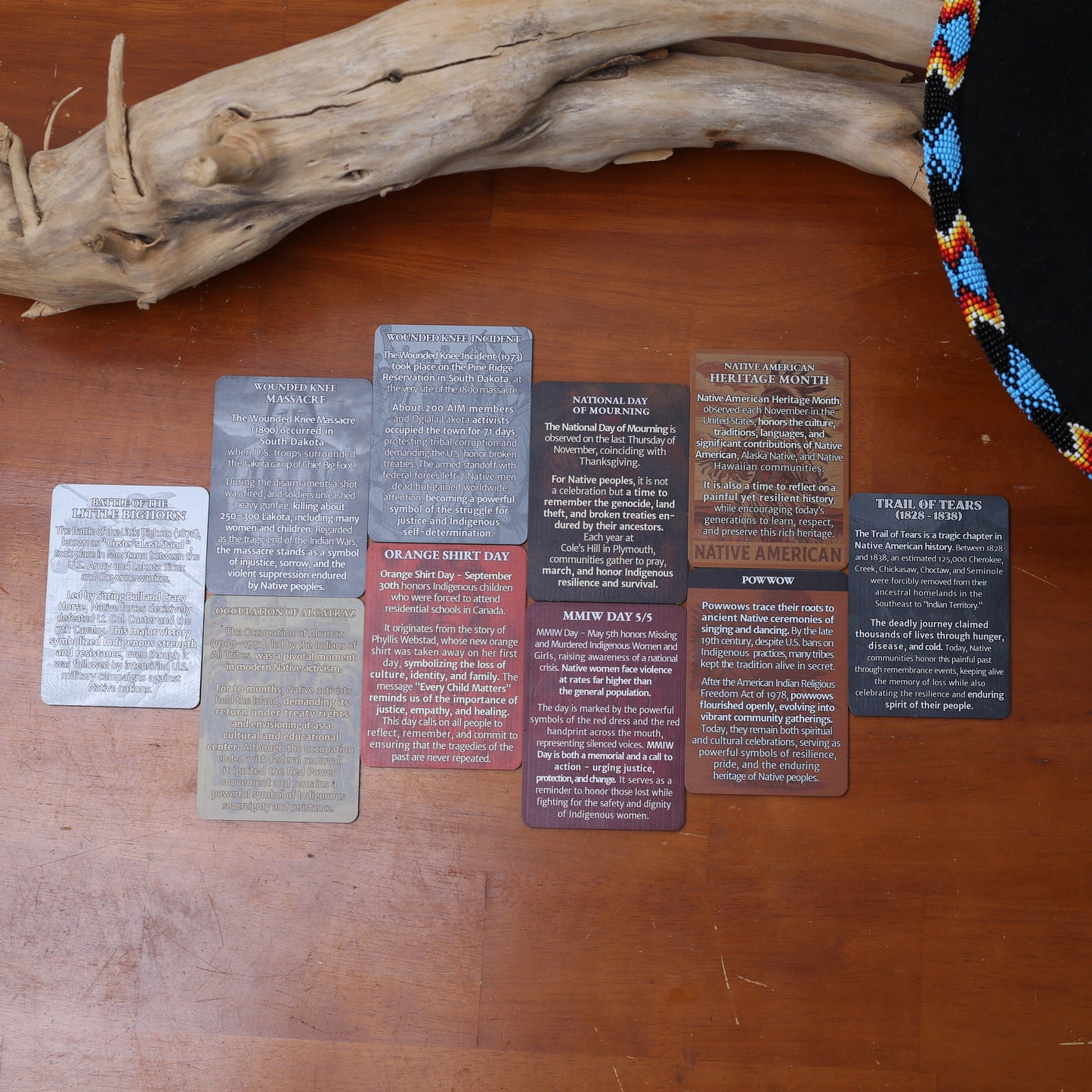
Trail of Tears (1828 - 1838):The Trail of Tears is a tragic chapter in Native American history. Between 1828 and 1838, an estimated 125,000 Cherokee, Creek, Chickasaw, Choctaw, and Seminole were forcibly removed from their ancestral homelands in the Southeast to “Indian Territory.
-
MMIW Day 5/5:MMIW Day – May 5th honors Missing and Murdered Indigenous Women and Girls, raising awareness of a national crisis
-
Orange Shirt Day (September 30th):Orange Shirt Day – September 30th honors Indigenous children who were forced to attend residential schools in Canada
-
National Day of Mourning - November:The National Day of Mourning is observed on the last Thursday of November, coinciding with Thanksgiving
-
Native American Heritage Month:Native American Heritage Month, observed each November in the United States, honors the culture, traditions, languages, and significant contributions of Native American, Alaska Native, and Native Hawaiian communities
-
Battle of the Little Bighorn (June 25–26, 1876):The Battle of the Little Bighorn (1876), known as “Custer’s Last Stand,” took place in Montana between the U.S
-
Wounded Knee Massacre (1890):The Wounded Knee Massacre (1890) occurred in South Dakota when U.S. troops surrounded the Lakota camp of Chief Big Foot.
-
Occupation of Alcatraz (1969–1971):The Occupation of Alcatraz (1969–1971), led by the Indians of All Tribes, was a pivotal moment in modern Native activism. For 19 months, Native activists held the island, demanding its return under treaty rights and envisioning it as a cultural and educational center
-
Wounded Knee Incident (1973):The Wounded Knee Incident (1973) took place on the Pine Ridge Reservation in South Dakota, at the very site of the 1890 massacre. About 200 AIM members and Oglala Lakota activists occupied the town for 71 days, protesting tribal corruption and demanding the U.S.
-
Powwow:Powwows trace their roots to ancient Native ceremonies of singing and dancing. By the late 19th century, despite U.S. bans on Indigenous practices, many tribes kept the tradition alive in secret. After the American Indian Religious Freedom Act of 1978, powwows flourished openly, evolving into vibrant community gatherings
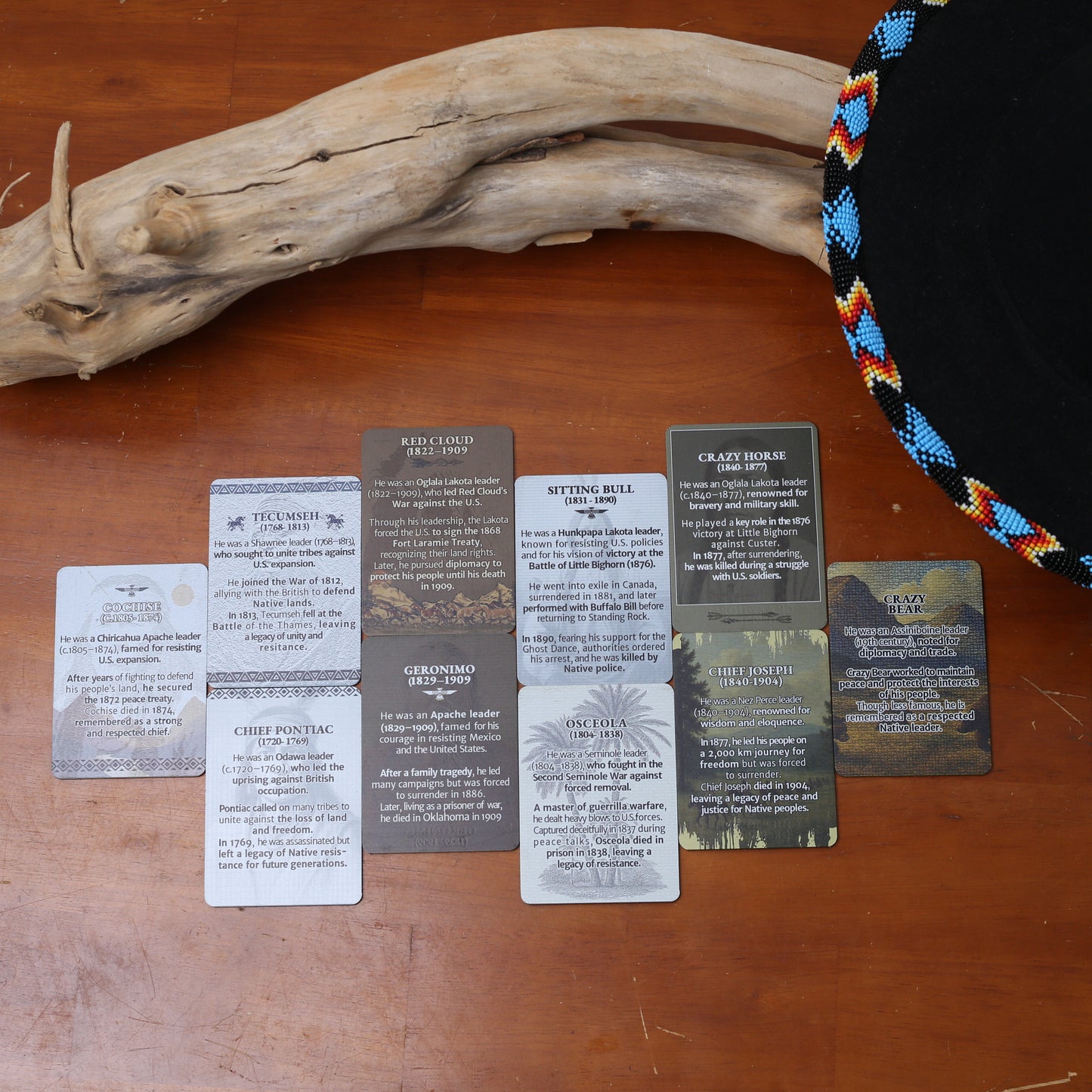
Set of 10 Events & Holidays Plastic Cards –– Premium Two-Sided 2.5"x3.5" - 0.1" Thick Durable Plastic
Set of 10 Events & Holidays Plastic Cards –– Premium Two-Sided 2.5"x3.5" - 0.1" Thick Durable Plastic
Regular price
$39.99
Regular price
$39.99
Sale price
$79.99
Unit price
per
Couldn't load pickup availability
Set of 10 Events & Holidays Plastic Cards –– Premium Two-Sided 2.5"x3.5" - 0.1" Thick Durable Plastic
Regular price
$39.99
Regular price
$39.99
Sale price
$79.99
Unit price
per

Description

Description
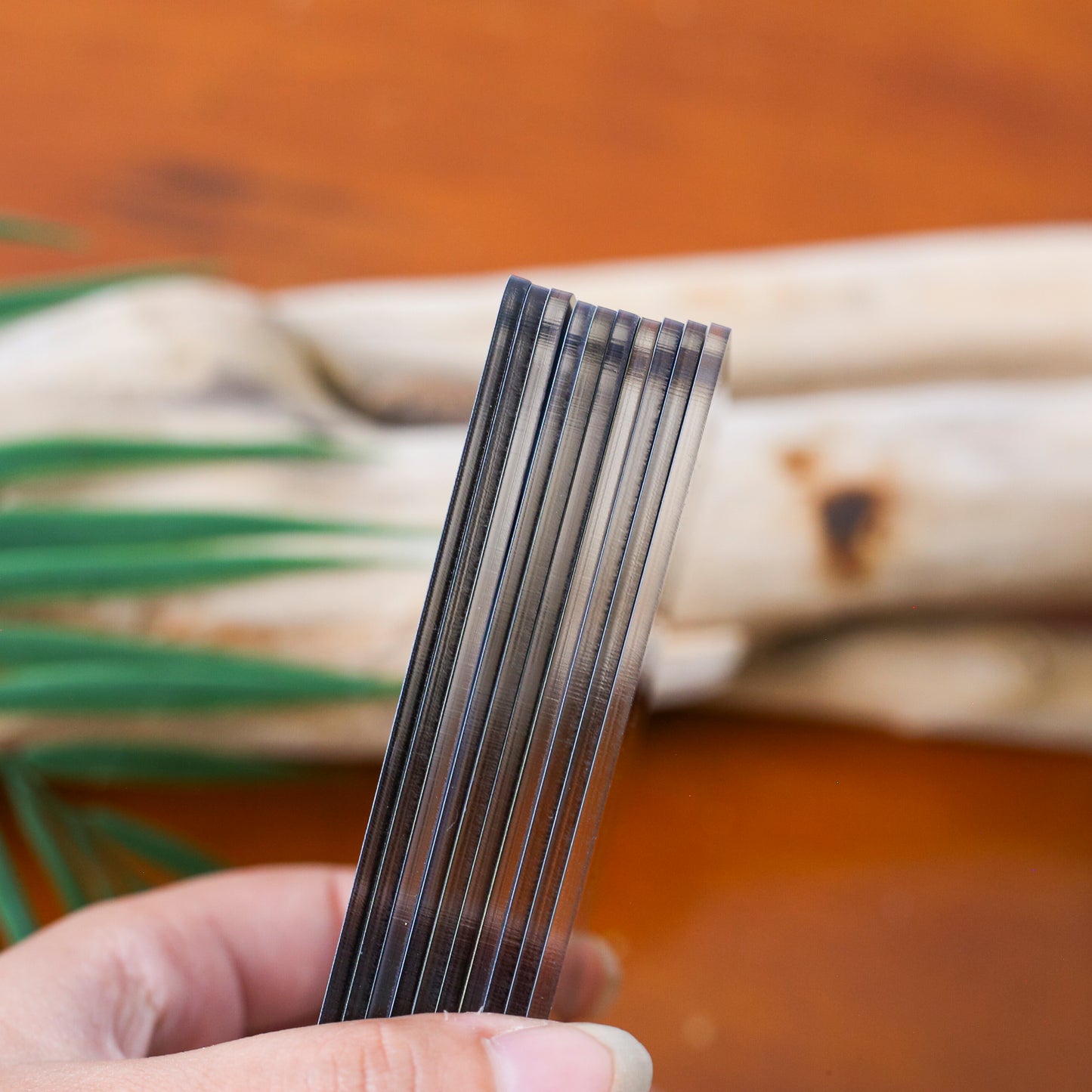
Material: Premium plastic 0.02inch|(waterproof, durable, and resistant to bending or tearing)
Size: 2.5" × 3.5" – Standard trading card size
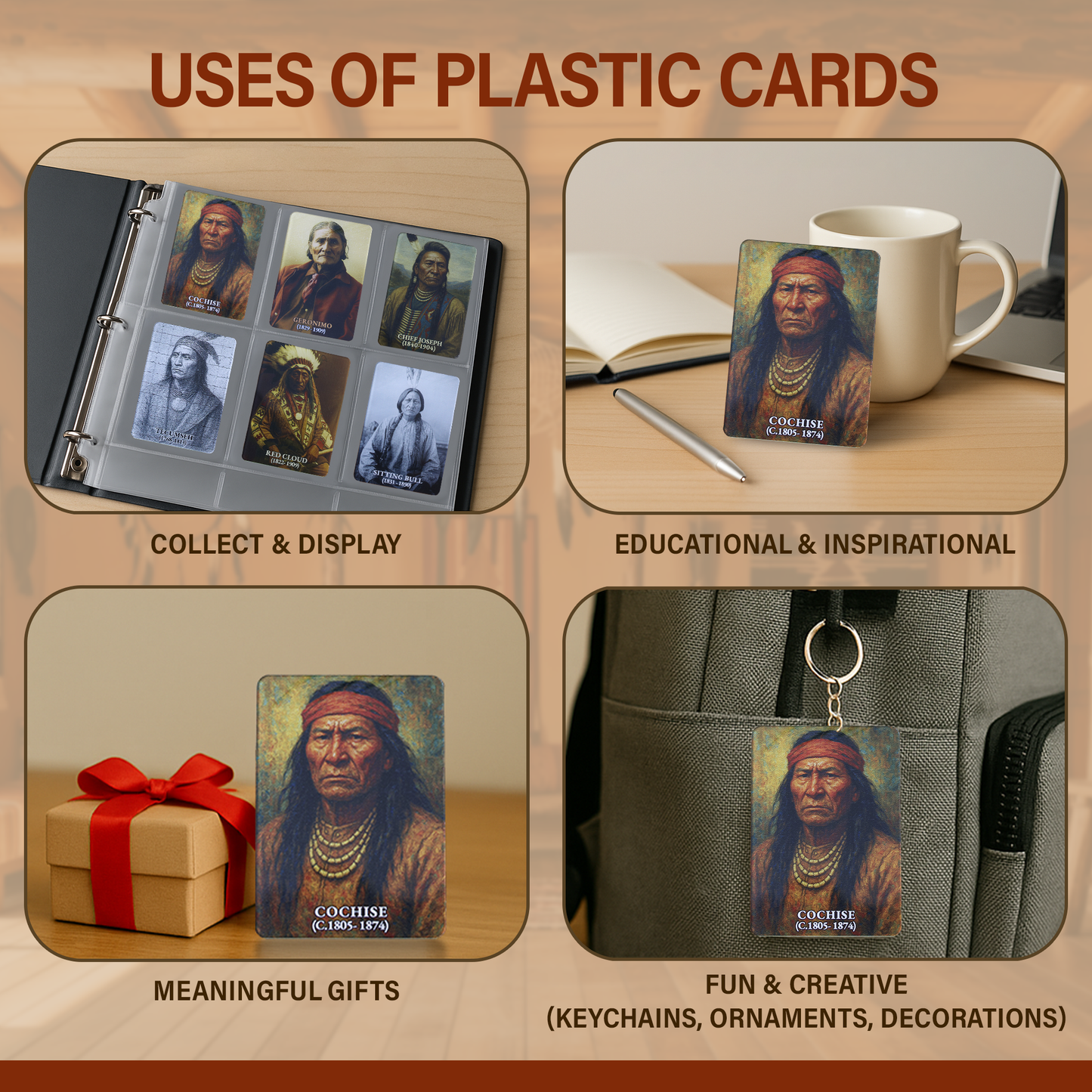
I. Uses of Cards:
1. Collect & Display
2. Educational & Inspirational
3. Meaningful Gifts
4. Fun & Creative (Keychains, Ornaments, Decorations)
II. Product Name:
Material: Premium plastic (waterproof, durable, and resistant to bending or tearing)

Returns & Refunds

Returns & Refunds
***RETURNS/ EXCHANGE
No returns or exchanges unless the item is damaged, incorrect, or the wrong size.
For issues, contact us within 2 days of receiving your order at support@nativepattern.com with a photo and order number.
***REFUND/ RESEND
We accept refund/ resent in these cases:
- Damaged/ poor quality printed item.
- Wrong item (wrong design, wrong product type).
- Wrong size item (we sent the wrong item with the one you purchased).
- Item has not arrived within 30 days for US order or 60 days for international order.
Please contact us by email at support@nativepattern.com and our support team will help you arrange a replacement or refund as soon as possible.
- Replacement orders will take time like normal orders (7 business days for processing and 2 - 4 weeks for delivery). Customer don't need to pay for any replacement fee/ resend fee in these case.
- Refund will be process right after we receive your request. Credit will be back to your account in 3 - 10 days regardless of the bank of your account.
We do not accept refund/ resent in these cases:
- Customer chooses the wrong size.
- Package missing due to the wrong shipping address provided.
- Customer do not like the item material.
- Customer change the order/ shipping address after the product has been printed and shipped out.
- Customer returns the product without noticing Native Pattern.
Please note:
- For Handmade items: Issues must be reported within 7 days of receipt.
- For Printed items: Issues must be reported within 30 days of receipt. After this period, we will not be able to assist you.
SPECIFIC CASE:
ORDER MODIFICATIONS OR CANCELLATION
After your order has been placed, you have 10 hours to contact our customer service and request order modifications or a cancellation. After this period, or if the order has already gone into production, modifications or cancellations are no longer possible.
CUSTOMER ORDER WRONG SIZE
Since your order is custom printed just for you, we aren’t responsible for refunds or exchanges due to incorrect fit issues. Buyers assume all risks when choosing the style and fit of their purchase. To help you choose the right size, we have provided a detailed size chart on each product page. Please refer to it carefully before placing your order.
DAMAGED/ INCORRECT ITEM
At Native Pattern, we are doing our best to ensure product quality and order accuracy. However, it may happen that you receive a damaged item, poor-quality printing or incorrect product. Thankfully it is rather unusual! But, if it is the case, we guarantee satisfaction to all of our customers by offering free replacement orders or refunds for affected items.
All we need is your order number and a clear photo showing either the incorrect item, the poor quality of the print or the damaged area of the item, and the QR code attached on the package of the affected items. Please contact our support team via email at support@nativepattern.com for assistance, and we will arrange to either resend the itemor issue a refund, depending on your preference.
Please make sure that:
The product itself or the printing is defective OR the final product is different with the one you ordered.
ORDER NOT RECEIVED
If your item has not arrived within 30 days for US order or 60 days for international order (not include 4 - 8 days processing) after having ordered, please contact us via email at support@nativepattern.com for a full refund of your purchase. (Please note this policy excludes errors made by customers when providing incorrect shipping details on their order(s) and/or missed parcel deliveries.)
ORDER LOST/ RETURN TO SENDER DUE TO INCORRECT SHIPPING ADDRESS PROVIDED
Please make sure to check carefully your shipping address before confirming your order.
- If the parcel lost because of the wrong shipping address, we are not responsible for replacement/ refund.
- If the tracking information shows that the parcel has been return to the sender (wrong shipping address, fail delivery because receiver not at home/ not pick up order in time...), we reserve the right to send a replacement. Refund are not accept in these case.
If you have any questions, feel free email to support@nativepattern.com. We will answer in 1 - 2 business days.

Shipping Policy

Shipping Policy
SHIPPING PRICE
- US & Canada orders: $6.99, Free Shipping for order more than $89
- International orders: $9.99. Free Shipping for order more than $89

Please keep in mind that your package’s Estimated Arrival = Production time + Shipping time.
Shipping time is calculated from the day your order leaves our door to your delivery address.
Production and Shipping time varies depending on what types of items you purchase and the delivery location. Kindly note that this is the estimated time frame only:
FOR ORDERS WITH MORE THAN 2 DIFFERENT ITEMS
We wanted to take a moment to inform you about the order fulfillment process that you may encounter.
If you've placed an order for multiple items, these products could arrive at different times.
Here is some information regarding the shipment of these items:
T-Shirts and Mugs from a Production Facility: This means these items arrive together in a single shipment, ensuring efficiency and convenience.
Similarly, your Decal and Handmade items will be dispatched together from the same production location.
However, it's important to note that if you make a purchase of products from different categories (e.g., a T-shirt and a Decal), they will be shipped separately, resulting in two shipments. Each shipment will include the relevant tracking information to keep you informed about their progress.
We understand that receiving separate packages at different times may be unexpected, and we apologize for any inconvenience this might cause.
RISK FREE SHIPPING
If for whatever reason your goods don't arrive within 60 days, you will be refunded in FULL for that item. This is our promise to you! If there's a missing order, please let us know via support@nativepattern.com. We'll investigate (it usually took 3-5 business days) and send you another one after we got a conclusion.
CUSTOMS AND TAXES
The prices displayed on our site are tax-free in US Dollars, which means you may be liable to pay for duties and taxes once you receive your order.
Import taxes, duties and related customs fees may be charged once your order arrives at its final destination, which are determined by your local customs office. Payment of these charges and taxes are your responsibility and will not be covered by us. We are not responsible for delays caused by the customs department in your country. For further details of charges, please contact your local customs office.
WRONG ADDRESS DISCLAIMER
It is the responsibility of the buyer to make sure that she or he enters the address correctly. We cannot guarantee address changes due to strict shipping schedules. Please double-check the address you are entering, as we will NOT be held responsible for packages that are sent to the wrong address that the buyer has entered.
If the order arrives at your country and:
- The customer refuses to accept the package
- Number of attempts is made in the country of destination to deliver the package.
We reserve the right to abandon the package(s) and will not be responsible for any refund.
If you have any questions or comments, please do not hesitate to contact us through:
Address: 1942 Broadway St. STE 314C, Boulder, Colorado, ZIP 80302, United States.
Email support: support@nativepattern.com
Phone number: +1 (573) 492- 7499
Support Time: Mon to Sat, 7am to 5pm




Sizing Chart

Give your customers further information about choosing the correct size.


EVERY CHILD MATTERS
The phrase “Every Child Matters” comes from a Canadian movement addressing the trauma and inequality Indigenous children faced in residential schools.
It began with the story of Phyllis Webstad, whose new orange shirt was taken on her first day - a symbol of the loss of culture and identity.
Observed on September 30th, Orange Shirt Day raises awareness, honors survivors and families, and reminds us that every child deserves respect, dignity, and opportunity.

Together in Orange: Honoring Every Child
A simple orange shirt carries a powerful message of truth, healing, and hope.
On September 30th - Orange Shirt Day, we wear orange to honor Indigenous children taken from their families and placed in residential schools. The shirt symbolizes loss of culture and identity, but also the strength and spirit of survivors.
This movement is about remembrance, solidarity, and reconciliation. By wearing orange, you stand with a growing call for justice - because every child deserves to be seen, heard, and loved. 🧡 Every Child Matters.