


-
Chief Dan George (1899–1981):Tsleil-Waututh Chief, was a renowned actor and author. He was nominated for an Oscar for his role in Little Big Man (1970) and became a cultural icon for Native Americans. Through his performances and writings, he raised awareness of the history, culture, and rights of Indigenous peoples, leaving a lasting artistic and spiritual legacy for future generations.
-
Graham Greene (1952–2025):Graham Greene (1952–2025) was an Oneida actor from Ontario, Canada. He rose to prominence as Kicking Bird in Dances With Wolves (1990), earning an Oscar nomination for Best Supporting Actor. Throughout his career, he appeared in acclaimed works like Thunderheart, The Green Mile, Wind River, Reservation Dogs, and The Last of Us. Honored with a Grammy in 2000, a star on Canada’s Walk of Fame, and the Order of Canada, Greene passed away in 2025, leaving a powerful legacy for Indigenous representation in film.
-
Jay Silverheels (1912–1980, Mohawk):Jay Silverheels (1912–1980) was a Mohawk actor and athlete from Canada, best known for his iconic role as Tonto in the TV series The Lone Ranger (1949–1957). Starting as a stuntman, he later became one of the first Native American actors to gain wide recognition in Hollywood. Beyond acting, he was also a boxer and lacrosse player. Silverheels advocated for better representation of Native people in film and co-founded an acting school for Indigenous performers. He passed away in 1980, remembered as a cultural trailblazer.
-
Eddie Little Sky (1926–1997, Oglala Lakota):Eddie Little Sky (1926–1997) was an Oglala Lakota actor and one of the first Native Americans to play Indigenous roles in Hollywood films rather than non-Native actors in “redface.” He appeared in movies such as A Man Called Horse (1970), Paint Your Wagon (1969), and many TV westerns during the 1950s–1970s. Known for bringing authenticity to Lakota portrayals, he also worked as a cultural consultant. Little Sky paved the way for future Native actors before passing away in 1997.
-
Ben Johnson (1918–1996, Cherokee):Ben Johnson (1918–1996) was an American actor, stuntman, and rodeo cowboy of Cherokee heritage. Starting as a horse wrangler and stunt double in westerns, he later became a respected actor, known for his natural style and cowboy authenticity. Johnson appeared in classics like She Wore a Yellow Ribbon (1949), Shane (1953), and The Wild Bunch (1969). His performance in The Last Picture Show (1971) earned him an Academy Award for Best Supporting Actor. He died in 1996, leaving a lasting mark on Hollywood westerns.
-
Wesley Studi (Dec 17, 1947 Cherokee):Wes Studi (1947–), a Cherokee actor, is one of the most iconic Native American figures in Hollywood. He gained fame through Dances With Wolves (1990), The Last of the Mohicans (1992), Geronimo, and Hostiles. Known for his powerful and authentic performances, Studi helped transform Hollywood’s portrayal of Indigenous people. In 2019, he became the first Native American to receive an honorary Academy Award, cementing his status as a legendary figure in world cinema.
-
Will Sampson (1933–1987):Will Sampson (1933–1987) was a Muscogee Creek actor and painter, best known for his role as Chief Bromden in One Flew Over the Cuckoo’s Nest (1975). Before acting, he was a rodeo cowboy, later appearing in major films such as The Outlaw Josey Wales and Poltergeist II. Beyond acting, Sampson was a gifted painter whose works reflected Native culture and spirituality. He also advocated for fair representation of Native American actors in Hollywood. Passing away in 1987, Sampson left a lasting legacy in both art and film.
-
Russell Means (1939–2012):Russell Means (1939–2012) was an Oglala Lakota activist, singer, and actor. A key leader of the American Indian Movement, he took part in historic events such as the Alcatraz occupation (1969) and Wounded Knee (1973). In the arts, he gained fame for roles in The Last of the Mohicans (1992), Natural Born Killers (1994), and as the voice of Chief Powhatan in Pocahontas (1995). Passing away in 2012, he left a lasting legacy in film, music, and Native rights activism.
-
Charlie Hill (1951–2013):Charlie Hill (1951–2013) was an Oneida comedian and actor, recognized as the first Native American stand-up comic to appear on national U.S. television. He performed on The Richard Pryor Show (1977), The Tonight Show Starring Johnny Carson, and numerous other programs. Through humor, Hill addressed stereotypes, racism, and Native identity, using comedy as both entertainment and social commentary. His trailblazing career paved the way for future Native American performers, making him a lasting icon in stand-up comedy and Indigenous representation until his passing in 2013.
-
Floyd Red Crow Westerman (1936–2007):Floyd Red Crow Westerman (1936–2007) was a Dakota Sioux artist, actor, and activist. He gained recognition for his politically charged music, especially with the album Custer Died for Your Sins (1970). As an actor, he appeared in acclaimed works such as Dances with Wolves (1990), Hidalgo (2004), and several popular TV series. Beyond the arts, Westerman was a dedicated activist for Native American rights and environmental causes, leaving a lasting cultural legacy as both a storyteller and an advocate for his people.
Set of 10 Performer Plastic Cards – – Premium Two-Sided 2.5"x3.5" - 0.1" Thick Durable Plastic
Set of 10 Performer Plastic Cards – – Premium Two-Sided 2.5"x3.5" - 0.1" Thick Durable Plastic
Regular price
$39.99
Regular price
$39.99
Sale price
$79.99
Unit price
per
Couldn't load pickup availability
-
Ordered
- - -
Order Ready
- - -
Delivered
- Amazon pay payment method
- American express payment method
- Apple pay payment method
- Diners club payment method
- Discover payment method
- Google pay payment method
- Master payment method
- Paypal payment method
- Shopify pay payment method
- Visa payment method

Set of 10 Performer Plastic Cards – – Premium Two-Sided 2.5"x3.5" - 0.1" Thick Durable Plastic
Regular price
$39.99
Regular price
$39.99
Sale price
$79.99
Unit price
per
Description
Description
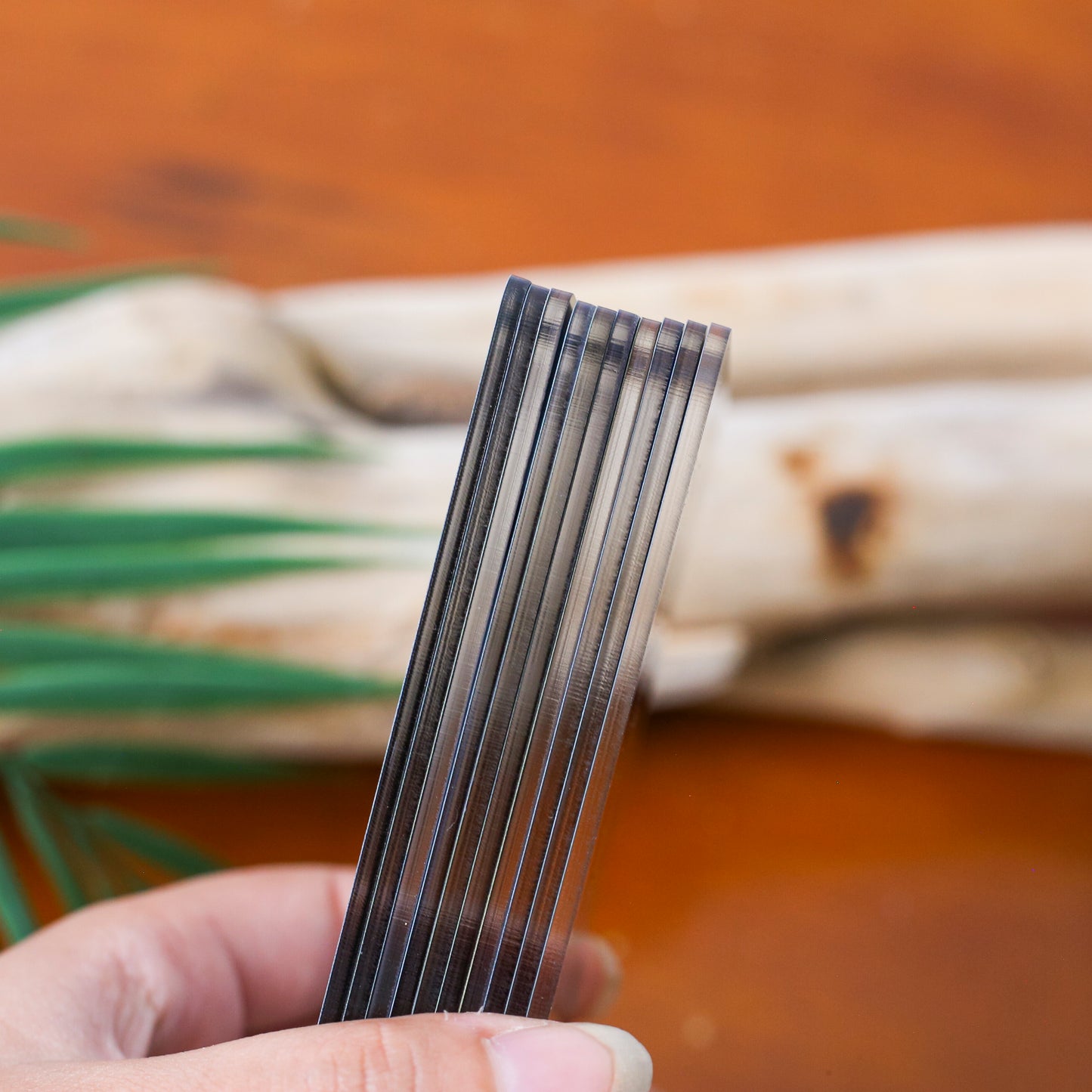
Material: Premium plastic 0.02inch|(waterproof, durable, and resistant to bending or tearing)
Size: 2.52" × 3.50" – Standard trading card size
I. Uses of Cards:
1. Collect & Display
2. Educational & Inspirational
3. Meaningful Gifts
4. Fun & Creative (Keychains, Ornaments, Decorations)
II. Product Name:
Material: Premium plastic (waterproof, durable, and resistant to bending or tearing)
Returns & Refunds
Returns & Refunds
***RETURNS/ EXCHANGE
No returns or exchanges unless the item is damaged, incorrect, or the wrong size.
For issues, contact us within 2 days of receiving your order at support@nativepattern.com with a photo and order number.
***REFUND/ RESEND
We accept refund/ resent in these cases:
- Damaged/ poor quality printed item.
- Wrong item (wrong design, wrong product type).
- Wrong size item (we sent the wrong item with the one you purchased).
- Item has not arrived within 30 days for US order or 60 days for international order.
Please contact us by email at support@nativepattern.com and our support team will help you arrange a replacement or refund as soon as possible.
- Replacement orders will take time like normal orders (7 business days for processing and 2 - 4 weeks for delivery). Customer don't need to pay for any replacement fee/ resend fee in these case.
- Refund will be process right after we receive your request. Credit will be back to your account in 3 - 10 days regardless of the bank of your account.
We do not accept refund/ resent in these cases:
- Customer chooses the wrong size.
- Package missing due to the wrong shipping address provided.
- Customer do not like the item material.
- Customer change the order/ shipping address after the product has been printed and shipped out.
- Customer returns the product without noticing Native Pattern.
Please note:
- For Handmade items: Issues must be reported within 7 days of receipt.
- For Printed items: Issues must be reported within 30 days of receipt. After this period, we will not be able to assist you.
SPECIFIC CASE:
ORDER MODIFICATIONS OR CANCELLATION
After your order has been placed, you have 10 hours to contact our customer service and request order modifications or a cancellation. After this period, or if the order has already gone into production, modifications or cancellations are no longer possible.
CUSTOMER ORDER WRONG SIZE
Since your order is custom printed just for you, we aren’t responsible for refunds or exchanges due to incorrect fit issues. Buyers assume all risks when choosing the style and fit of their purchase. To help you choose the right size, we have provided a detailed size chart on each product page. Please refer to it carefully before placing your order.
DAMAGED/ INCORRECT ITEM
At Native Pattern, we are doing our best to ensure product quality and order accuracy. However, it may happen that you receive a damaged item, poor-quality printing or incorrect product. Thankfully it is rather unusual! But, if it is the case, we guarantee satisfaction to all of our customers by offering free replacement orders or refunds for affected items.
All we need is your order number and a clear photo showing either the incorrect item, the poor quality of the print or the damaged area of the item, and the QR code attached on the package of the affected items. Please contact our support team via email at support@nativepattern.com for assistance, and we will arrange to either resend the itemor issue a refund, depending on your preference.
Please make sure that:
The product itself or the printing is defective OR the final product is different with the one you ordered.
ORDER NOT RECEIVED
If your item has not arrived within 30 days for US order or 60 days for international order (not include 4 - 8 days processing) after having ordered, please contact us via email at support@nativepattern.com for a full refund of your purchase. (Please note this policy excludes errors made by customers when providing incorrect shipping details on their order(s) and/or missed parcel deliveries.)
ORDER LOST/ RETURN TO SENDER DUE TO INCORRECT SHIPPING ADDRESS PROVIDED
Please make sure to check carefully your shipping address before confirming your order.
- If the parcel lost because of the wrong shipping address, we are not responsible for replacement/ refund.
- If the tracking information shows that the parcel has been return to the sender (wrong shipping address, fail delivery because receiver not at home/ not pick up order in time...), we reserve the right to send a replacement. Refund are not accept in these case.
If you have any questions, feel free email to support@nativepattern.com. We will answer in 1 - 2 business days.
Shipping Policy
Shipping Policy
SHIPPING PRICE
- US & Canada orders: $6.99, Free Shipping for order more than $89
- International orders: $9.99. Free Shipping for order more than $89

Please keep in mind that your package’s Estimated Arrival = Production time + Shipping time.
Shipping time is calculated from the day your order leaves our door to your delivery address.
Production and Shipping time varies depending on what types of items you purchase and the delivery location. Kindly note that this is the estimated time frame only:
FOR ORDERS WITH MORE THAN 2 DIFFERENT ITEMS
We wanted to take a moment to inform you about the order fulfillment process that you may encounter.
If you've placed an order for multiple items, these products could arrive at different times.
Here is some information regarding the shipment of these items:
T-Shirts and Mugs from a Production Facility: This means these items arrive together in a single shipment, ensuring efficiency and convenience.
Similarly, your Decal and Handmade items will be dispatched together from the same production location.
However, it's important to note that if you make a purchase of products from different categories (e.g., a T-shirt and a Decal), they will be shipped separately, resulting in two shipments. Each shipment will include the relevant tracking information to keep you informed about their progress.
We understand that receiving separate packages at different times may be unexpected, and we apologize for any inconvenience this might cause.
RISK FREE SHIPPING
If for whatever reason your goods don't arrive within 60 days, you will be refunded in FULL for that item. This is our promise to you! If there's a missing order, please let us know via support@nativepattern.com. We'll investigate (it usually took 3-5 business days) and send you another one after we got a conclusion.
CUSTOMS AND TAXES
The prices displayed on our site are tax-free in US Dollars, which means you may be liable to pay for duties and taxes once you receive your order.
Import taxes, duties and related customs fees may be charged once your order arrives at its final destination, which are determined by your local customs office. Payment of these charges and taxes are your responsibility and will not be covered by us. We are not responsible for delays caused by the customs department in your country. For further details of charges, please contact your local customs office.
WRONG ADDRESS DISCLAIMER
It is the responsibility of the buyer to make sure that she or he enters the address correctly. We cannot guarantee address changes due to strict shipping schedules. Please double-check the address you are entering, as we will NOT be held responsible for packages that are sent to the wrong address that the buyer has entered.
If the order arrives at your country and:
- The customer refuses to accept the package
- Number of attempts is made in the country of destination to deliver the package.
We reserve the right to abandon the package(s) and will not be responsible for any refund.
If you have any questions or comments, please do not hesitate to contact us through:
Address: 1942 Broadway St. STE 314C, Boulder, Colorado, ZIP 80302, United States.
Email support: support@nativepattern.com
Phone number: +1 (573) 492- 7499
Support Time: Mon to Sat, 7am to 5pm




THE STORY


WELCOME TO NATIVE PATTERN
Heritage has a way of staying with us.
In every pattern, there is a trace of something older — a symbol, a memory, a story carried forward. Our collection takes inspiration from Native American heritage and translates that spirit into contemporary pieces made to be worn, lived in, and remembered.
Start with the pieces our community has chosen again and again.
Frequently Asked Questions
What payment methods do you accept?
What payment methods do you accept?
We accept payment via PayPal, Visa, MasterCard, American Express, JCB, Discover, and Diners Club debit.
How long does delivery take?
How long does delivery take?
We process orders on business days which are Monday through Friday, Pacific Standard Times, and exclude holidays observed by the Post Office: New Year's Day, Presidents' Day, Memorial Day, Independence Day, Labor Day, Thanksgiving, and Christmas.
Can I change my shipping address after placing an order?
Can I change my shipping address after placing an order?
If you need to change your shipping address, please contact us support@nativepattern.com within 2 hours after placing your order with an e-mail titled "Shipping Address Change" to route to the appropriate department.
Please be advised that your shipping address cannot be revised after the order has shipped.
How do I track my order?
How do I track my order?
When available, we will send you the tracking number with the confirmation email so that you can track the package online.